Tracing Connections Between Regulatory Standards and Adaptive Play Methods in Approved Digital Card Platforms
Sam Lange · Nov 9, 2026
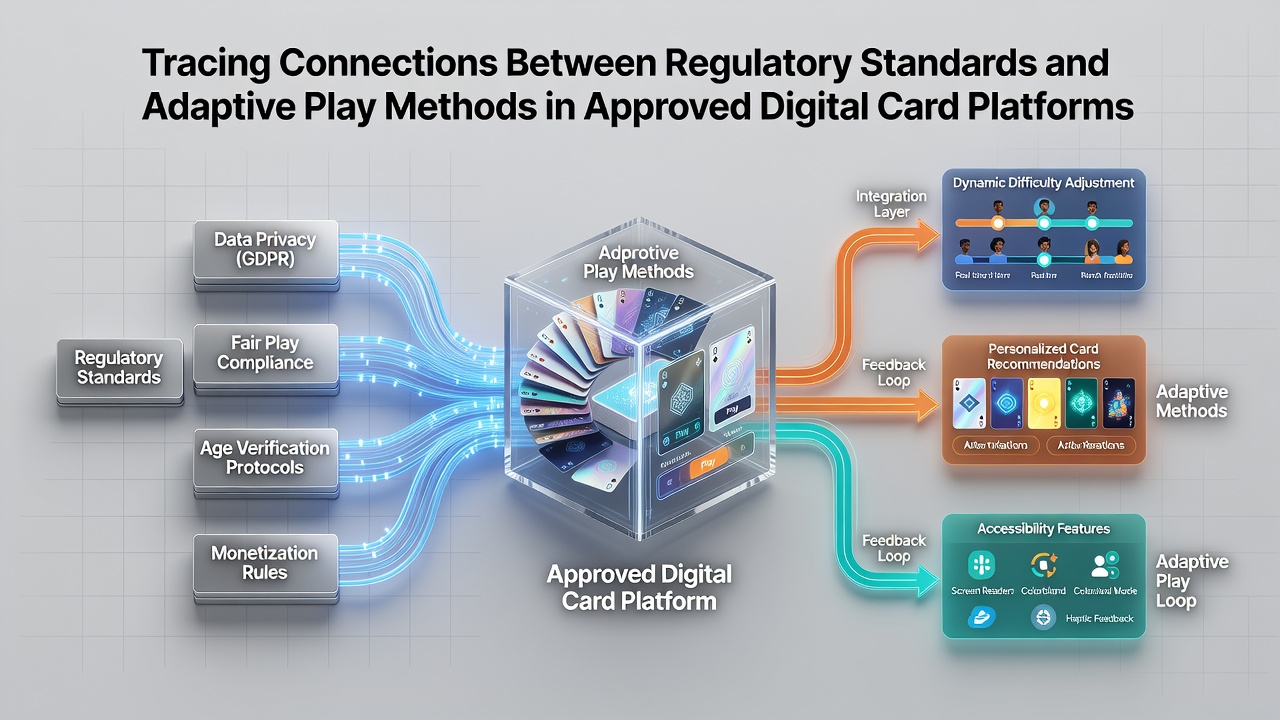
Tracing Connections Between Regulatory Standards and Adaptive Play Methods in Approved Digital Card Platforms
Regulatory Frameworks Shape Platform Operations
Approved digital card platforms operate under layered standards that vary by jurisdiction yet share common threads in player protection, transaction security, and game integrity. Data from the Alcohol and Gaming Commission of Ontario shows that licensing requirements often mandate real-time monitoring systems which track session duration and spending patterns. These systems create the baseline conditions where adaptive play methods emerge as players adjust tactics within defined boundaries.
Standards enforced by bodies such as the Malta Gaming Authority require platforms to implement age verification and responsible gaming tools that directly influence how users modify their approach to card variants. When operators update software to meet these rules, the resulting interface changes prompt shifts in decision-making sequences during play. Figures released by the Australian Communications and Media Authority indicate that compliance updates in 2025 led to measurable adjustments in user engagement metrics across monitored sites.
Adaptive Methods Respond to Compliance Requirements
Players on licensed platforms frequently recalibrate strategies when new verification protocols or payout caps appear. One documented pattern involves adjustments to bet sizing sequences after platforms introduce mandatory loss-limit reminders. Research published by the International Centre for Gaming Research at the University of Nevada, Las Vegas, tracks how these reminders correlate with altered risk assessment during multi-hand sessions.
Platforms approved in multiple regions must reconcile differing rules on random number generation testing and audit trails. Such reconciliation produces consistent backend constraints that surface in frontend play options. Observers note that users respond by favoring certain hand ranges or timing patterns that align with the visible compliance features. This interplay becomes especially visible when platforms roll out updated interfaces ahead of scheduled regulatory reviews.
Interconnections in Practice Across Regions
European operators licensed under varying national frameworks demonstrate how regulatory alignment affects method adaptation. When standards on data localization take effect, platforms adjust server routing which in turn modifies latency profiles that skilled players incorporate into timing-based decisions. A 2025 industry report compiled by the International Association of Gaming Regulators highlighted cases where synchronization between jurisdictions led to uniform changes in available game modes.
North American examples show similar patterns. Provincial regulators in Canada require detailed reporting on player behavior analytics, and platforms incorporate these analytics into dynamic menu structures. Users then develop new selection habits that reflect the prominence of compliance-labeled options. Data released by the Nevada Gaming Control Board for the 2024-2025 period records increased usage of tutorial modules that explain rule updates, suggesting players actively seek information to refine their approaches.
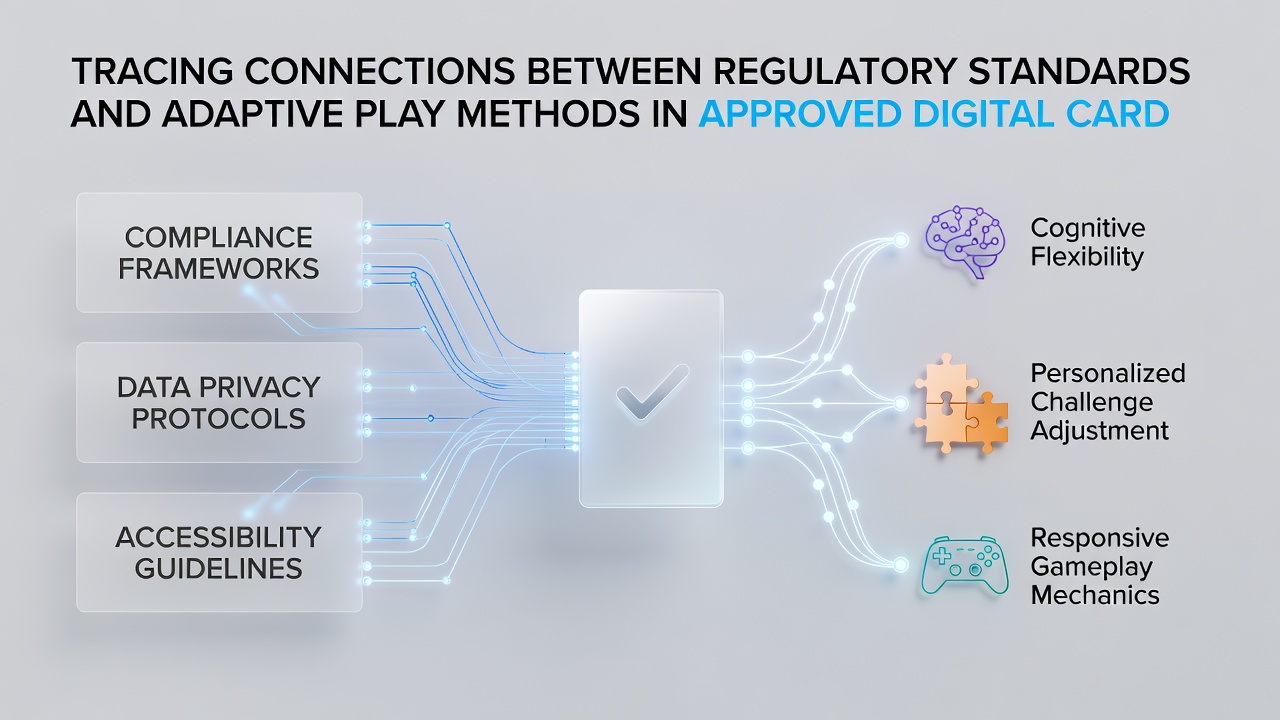
November 2026 Developments on the Horizon
Scheduled implementations for November 2026 include expanded interoperability requirements among certain cross-border licensing agreements. These changes are expected to standardize elements of session logging and dispute resolution mechanisms. Platforms preparing for the transition have begun testing interface modifications that display regulatory status indicators more prominently. Early internal testing data shared with industry associations suggests these indicators influence how users prioritize game selection during extended sessions.
Academic reviews scheduled for release around the same period will examine longitudinal datasets from platforms operating under multiple approvals. Preliminary outlines from collaborating institutions point toward analysis of whether adaptive play patterns stabilize or diversify once uniform reporting formats are adopted. Regulators in several jurisdictions have signaled that November 2026 marks a checkpoint for evaluating the effectiveness of current player protection overlays.
Conclusion
Connections between regulatory standards and adaptive play methods continue to evolve through documented platform updates and measurable user responses. Information from licensing authorities, research centers, and industry associations provides consistent evidence that compliance features shape the environment in which play tactics develop. As November 2026 approaches, further standardization efforts will supply additional data points for tracing these relationships across approved digital card platforms.